


Mega Scale Chambers of Xeric: Points, Loot Odds & Team Play
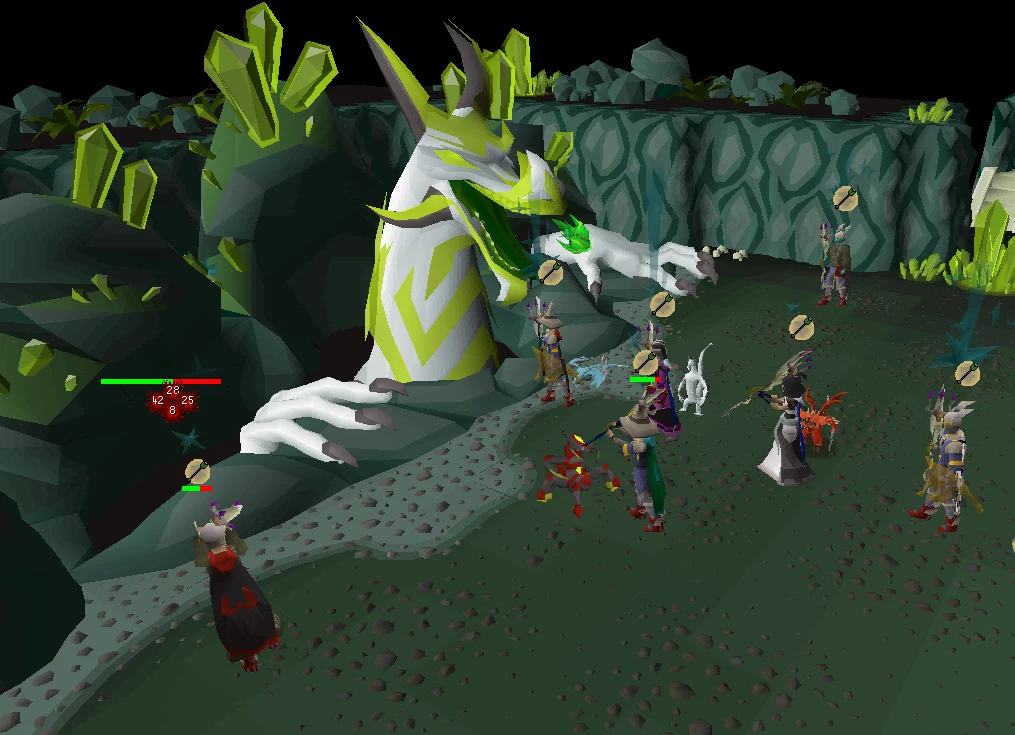
A practical mega scale CoX guide: points and purple expectations, account prep, roles, learning vs farming, common mistakes, and when DIY teams or organised help make sense.
Mega scale Chambers of Xeric (CoX) is one of the most searched OSRS raid topics for a reason: it sits at the intersection of loot chase, team coordination, and time investment. Players hear about Twisted Bow, Kodai Wand, Ancestral, and Dragon hunter crossbow rolls — then discover that casual pick-up raids and organised mega scales are completely different experiences.
This guide covers both halves of the question: how mega scale CoX actually works, and the decisions that follow from it — what points really do, how to prepare your account, which mistakes waste the most hours, and when it makes sense to farm with a community versus using a mega scale service. The booking explainer is the mega scale service hub. You will leave with a checklist you can use tonight, not just theory about raid scaling.
What “mega scale” really means
In CoX, the raid's difficulty and reward potential scale with party size and player combat stats. A normal learning raid might be a small group figuring out rooms. A mega scale deliberately pushes party size much higher so the combined raid level — and the total points environment — is larger.
That does not mean every mega scale is identical. Some communities run mid-large scales with clear roles. Others push toward the upper end of capacity for maximum total points. What they share is intent: treat the raid as a repeatable farm with structure, not a random adventure night.
If you only remember one sentence: mega scale is less about “being carried” and more about organised scaling + roles + fewer surprises. Chaos with 40 people is worse than a clean 7-man. Organisation is the product.
Points, purples, and realistic expectations
CoX rewards are tied to points. Your personal points influence your reward roll; the raid's overall performance and scaling influence how juicy the environment feels. That is why teams obsess over clean rooms, fewer deaths, and efficient layouts.
What points are (and are not)
- Points reward contribution and completion quality — dying, stalling rooms, and idle time usually hurt more than people admit.
- A purple is still RNG. Better points improve your position; they do not guarantee a Twisted Bow on a schedule.
- Personal points vs raid points matter differently depending on how the team is organised. Ask organisers how splits, roles, and contribution expectations work before you join.
The honest way to evaluate mega scales is expected value over dozens of raids, not one lucky clip. If your plan is “one raid for a Twisted Bow,” you will be disappointed. If your plan is “consistent CoX volume with a team that does not wipe for free,” mega scale can make sense.
For item details and current mechanics, always cross-check the OSRS Wiki CoX page — updates can change room value and meta advice faster than blog posts.
Who mega scale is for (and who should wait)
Good fit
- Players who understand basic CoX rooms and want volume without building a static 5-man every night
- Accounts with decent combat stats that can follow a role without constant babysitting
- Busy adults who value predictable sessions over improvising with strangers
- Players chasing uniques who accept RNG but refuse to waste hours on disorganised teams
Usually a poor fit (yet)
- Brand-new accounts with unfinished quests, weak gear, and no raid vocabulary
- Players who hate voice chat / text callouts and refuse any role discipline
- Anyone expecting “guaranteed purple tonight” as a service promise
If you are still missing combat levels, prayer unlocks, or basic supplies budget, fix that first through skill training, questing, or GP prep. Mega scale does not erase account readiness — it amplifies whatever readiness you bring.
Account prep checklist before you join
You do not need BiS to join many organised scales, but you do need a stable baseline. Use this checklist as a practical gate before you spend a whole evening learning the hard way.
- Combat stats that match your role. High Hitpoints, strong Prayer, and a clear style (melee / ranged / mage) matter more than owning every unique in the game.
- Gear that is “good enough and consistent.” Bring switches you can actually use under pressure. Fancy inventory you misclick is worse than a simpler setup.
- Supplies you can restock. If one wipe bankrupts your session, your plan is fragile. Budget for multiple attempts.
- Quest and diary unlocks that save time. Teleports, fairy rings, and combat unlocks reduce friction before and after the raid.
- Communication readiness. Join the Discord or chat early. Read the role sheet. Ask one clarifying question instead of guessing for 40 minutes.
If your bottleneck is PvM fundamentals rather than CoX specifically, start with our PvM guide or PvM coaching overview, then return to mega scale farming.
Roles that make mega scales work
Large raids fail when everyone “just DPS.” They succeed when roles are boringly clear. Exact titles vary by community, but most healthy teams cover these jobs:
- Shot-caller / raid lead — keeps pace, decides resets, stops arguments mid-room.
- Scouts / layout people — reduce wasted walking and bad room order when the team uses that structure.
- Tanks / specialized mechanics — handle specific rooms so the majority can play simpler jobs.
- General DPS / learners on rails — follow a narrow script: stand here, attack this, drink that, do not freestyle.
If you are new to mega scales, ask for the simplest role with the fewest death traps. Pride kills more raids than gear scores. A player who does a small job perfectly is more valuable than a maxed account that invents strategies mid-Olm.
Learning raids vs farming raids
Treat these as different products. Learning raids are for understanding rooms, death mechanics, and your own panic habits. Farming raids are for points per hour and consistency. Mixing them without saying so creates conflict: veterans want speed; learners need explanations.
A clean progression looks like this: learn rooms in small groups or coaching → join organised mid/large scales with a scripted role → only then chase hardcore optimisation. Skipping straight to the biggest scale you can find often costs more time than starting smaller.
Mega scale mindset changes the question from “did we finish?” to “did we finish with maximum points per minute and minimum drama?” That is why experienced teams compare routes, assign roles in advance, and sometimes specialise accounts for scouting or layout work.
Common mistakes that destroy EV
- Joining unknown “mega” ads with no reviews. Large groups attract scammers and time-wasters. Vet organisers the same way you would any OSRS service provider.
- Overgearing the inventory and underpreparing the brain. Know your role sheet better than your fashion scape.
- Chasing every purple rumor. Meta shifts. Trust current wiki + your team's logs over Discord folklore.
- Tilting after one dry streak. CoX is a volume game. Plan sessions in batches, not emotional all-nighters.
- Ignoring death costs and time costs. A “cheap” raid that takes three hours of chaos is expensive.
DIY community scale vs paid mega scale help
Both paths can be legitimate. The right choice depends on your calendar, your risk tolerance, and whether you enjoy team logistics.
DIY / community
Best when you already have friends, a trusted Discord, and time to wait for signups. You keep more control and learn more — but you also inherit scheduling friction and variable quality.
Paid organised runs
Best when you want a defined product: clear scope, experienced leadership, and less improvisation. Ask hard questions before you pay: what scale size, what role you play, what happens on wipes, how loot/splits are handled, and whether the work is hand-done.
At Bils Services, mega scale CoX is offered as organised, hand-done help — not vague “luck packages.” What a booked seat actually includes is in the mega scale service hub. Browse the mega scales page, the Mega Scale CoX service, or related PvM services if you still need account prep. Read client reviews before you decide.
A simple session plan you can copy
- Pick a goal for the week (for example: eight clean completions, not “get purple”).
- Confirm gear + supplies the day before so you are not GE shopping at start time.
- Join voice/text 10 minutes early and restate your role in one sentence.
- After each raid, note one mistake and one thing that went well — then stop overthinking.
- Review weekly: points feel, wipe rate, enjoyment. Adjust scale size or role if needed.
This sounds boring because it is boring — and boring process is how dry streaks stop deleting your motivation. Pair CoX goals with broader progression so one dry month does not define your account identity: keep a side skill, a quest cluster, or a boss you enjoy.
Gear goals that actually move the needle
Players often delay raiding for perfect gear. In practice, the first upgrades that matter are the ones that reduce deaths and misclicks: reliable weapons for your style, enough tankiness for your role, and prayer gear that keeps you alive during long rooms. BiS uniques are the output of successful CoX volume, not always the entry ticket.
If you are still building the account, our power leveling guide and ranged training pages can help you close gaps without turning prep into a second full-time job.
Questions to ask any organiser before you commit
Whether you join a free community scale or a paid run, the same due diligence applies. Good organisers answer clearly. Vague answers are a warning sign.
- What party size / scale are we targeting tonight?
- What role will I play, and what gear is the minimum for that role?
- How are deaths, resets, and wipes handled?
- How long do your average clears take from start to loot?
- How are splits / personal points expectations explained?
- Is there a review history, Discord longevity, or public track record?
If someone pressures you to pay instantly, share account details casually, or promises a unique on a fixed date, walk away. Mega scale is a coordination product — not a magic purple machine. For scam patterns to avoid when hiring help, see how to avoid OSRS account scams.
Supplies and session hygiene that veterans quietly use
The flashy part of CoX is the loot tab. The unsexy part is how you protect your next three raids after a wipe. Bring enough food and potions for the plan you actually have, not the plan you wish you had. Keep a restock note on your phone or in Discord so you are not improvising at the GE under tilt. Take a short break after a messy clear — most “unlucky” nights are really fatigue nights.
Also protect your attention outside the raid. Mute irrelevant chats, pin the role sheet, and avoid swapping gear mid-room because a friend said a new switch is “meta.” Consistency beats novelty when forty people are waiting on you to finish a mechanic.
FAQ
- Is mega scale the same as a carry?
- Not exactly. A carry can mean many things. Mega scale emphasises organised scaling and coordination. If you buy a service, ask what is included: role expectations, scouting, deaths, and split rules.
- Do I need a specific combat level?
- Requirements depend on the organiser and your role. Higher stats widen what you can do safely. If you are close but not ready, finish training or GP prep first rather than forcing a bad fit.
- How long does a mega scale take?
- Often longer than a tight small team — sometimes well over an hour end-to-end once you include signup and resets. Ask the organiser for their typical clear time, not just the marketing claim.
- Can I AFK and still get good points?
- No. Even “easy” roles need attention. AFK mindsets cause deaths, stalled rooms, and kicks. If you need AFK progress, choose skilling — not CoX.
- Where should I verify mechanics?
- The community-maintained OSRS Wiki Chambers of Xeric page is the best neutral reference for rooms, items, and current details.
- What if I only want Olm practice?
- Say that up front. Some teams are farming; some are teaching. Mismatched expectations create bad vibes fast. Coaching or smaller learning raids may be a better first step.
Bottom line
Mega scale CoX is worth it when you want structured volume, clear roles, and a better shot at high-value reward environments — not when you want a lottery ticket with zero prep. Learn the rooms, respect the organisers, track your sessions, and keep your account goals bigger than one unique. Done well, mega scale becomes a sustainable farm loop instead of a stressful gamble night.
Want the room-by-room detail behind these decisions? Read the Chambers of Xeric guide. Ready to look at organised help? Start at the mega scale service hub, the mega scales page, or browse the full blog.
Always verify current raid details on the Old School RuneScape Wiki.
Ready for organised CoX? Bils Services
Enjoyed the guide?
Drop a like — it helps other Adventurers find the good stuff.
Community
Comments
thank you
Join the thread
Add a comment
Tips, drops, or “this carried my account” — keep it useful.
bilsservices · bils services · bilsservices.com